LA Homeless Services & Housing
Provider Resources
  • HOME
  • GET HELP
  • PROGRAMS

    • Unsheltered Response and Interim Housing
    • Housing Strategy and Solutions
    • Supportive Services
    • Clinical Services
    • System Planning and Coordination

    INITIATIVES

    • Skid Row Action Plan
    • Skid Row Care Campus
    • Capital Projects
    • Homelessness Prevention Unit

    MUNICIPAL RELATIONS

    • Local Jurisdictions
    • Unincorporated Areas
    • Unincorporated Areas Homeless Encampment Dashboard

    OUR PARTNERS

    • HSH intends to serve as a hub connecting all our partners so we can work and learn together.
    • View Our Partners
  • News & Updates

    • Learn what HSH has been up to lately and read participant success stories.
    • View Recent News

    IMPACT DASHBOARDS

    • Measure A Progress Tracker
    • Key Performance Indicator Dashboard
    • Addressing Homelessness Equitably

    ACCOUNTABILITY

    • Quarterly Reports
    • Evaluations and Audits
    • Board Correspondence
    • Homelessness and Housing Cluster

    EVALUATION AGENDA

    • Read the Annual Evaluation Agenda to see how we're measuring and improving our investment impact.
    • View Evaluation Agenda
  • MEASURE A HUB
    • FY 2026-27 Measure A Spending Plan Process
    • FY 2025-26 Approved Funding Recommendations
    • Previous Budgets
  • GOVERNANCE
  • ABOUT HSH

    • Together with our partners, our mission is to lead a unified countrywide response to homelessness that combines housing, health, and social services.
    • Read About HSH
    • Upcoming Events

    DEPARTMENT TRANSITION

    • Community Engagement
    • Document Library
Home > Here’s how LA County could spend $355 million a year to fight homelessness

Here’s how LA County could spend $355 million a year to fight homelessness

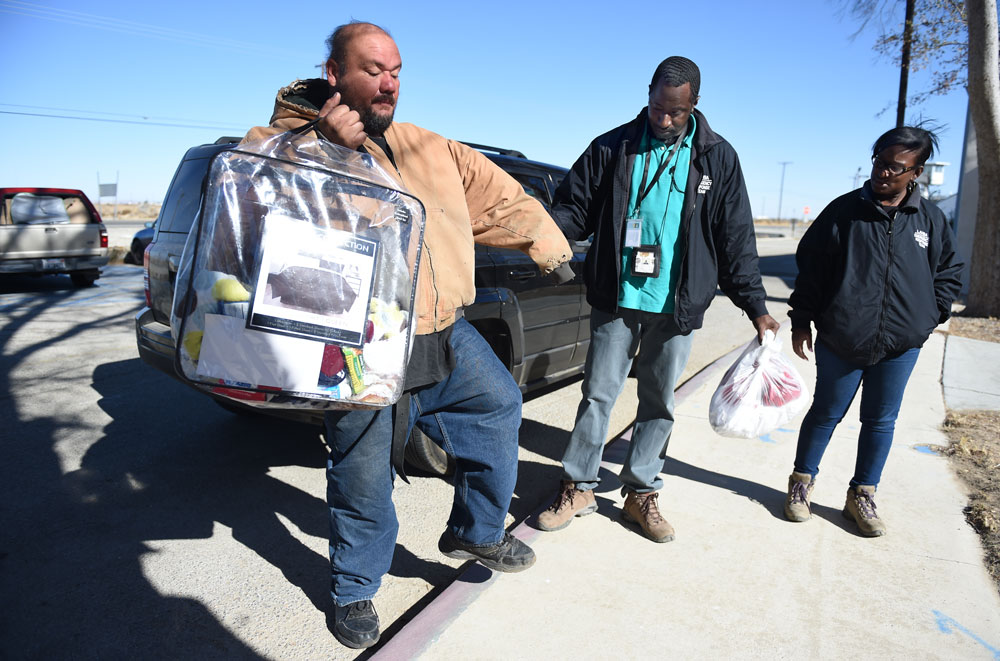
A man carries a bag of personal belongings while receiving support from outreach workers in Los Angeles.

Here’s how LA County could spend $355 million a year to fight homelessness

Here’s how LA County could spend $355 million a year to fight homelessness https://homeless.lacounty.gov/wp-content/uploads/2018/01/SPA-1_-AntelopeValleyEmergencyShelter_SalvationArmy_MBV_04.jpg 1000 661 LA County Homeless Services & Housing LA County Homeless Services & Housing //homeless.lacounty.gov/wp-content/uploads/2025/04/newHIlogo.png April 12, 2018 April 18, 2022

A set of recommendations for how to spend a projected $355 million annually to help fight homelessness over the next three years will be considered Tuesday by the Los Angeles County Board of Supervisors.

The recommendations were agreed upon in May by a 50-member planning team made up of faith leaders, homeless service providers, and city and county officials from across Los Angeles. The panel met several times since voters in March passed Measure H, a quarter-cent sales tax projected to raise $355  million a year for 10 years to help homeless people transition into planned affordable housing, officials said. The funding is expected to help 45,000 families and individuals escape homelessness within five years and prevent homelessness for 30,000 others.

Some of the recommendations include:

• $5.5 million in this fiscal year to prevent homelessness among at risk individuals.

• $5 million for subsidized employment for homeless adults

• $25 million to provide services and rental subsidies for permanent supportive housing.

Some funding generated from Measure H will be coordinated with Proposition HHH, which was approved by City of Los Angeles residents. The parcel tax is expected to raise $1.2 billion in bonds for the construction of 10,000 units of housing, while Measure H funds are supposed to go toward wrap around social services.

Results of a count taken in January show that homelessness surged across Los Angeles County’s neighborhoods and suburbs this year compared with 2016, with more than 55,000 people sleeping on sidewalks, in their cars, or along the Los Angeles River. The 23 percent spike announced two weeks came despite some successes last year, including more housing for veterans and families, according to the Los Angeles Homeless Services Authority. A tight housing market, high rental costs and more women and youths escaping violent domestic situations were some of the reasons given for the high numbers, according to the results.

Members of the Board of Supervisors called those figures “abysmal” and “staggering” during last Tuesday’s meeting.

Supervisor Hilda Solis said she was particularly concerned about the 41 percent increase in the number of homeless children, 64 percent increase in the number of homeless youth between 18 and 24 years old and the 63 percent jump in homeless Latinos.

“The results of the homeless count are abysmal, to say the least,” Solis said.

Phil Ansell, director of the county’s Homeless Initiative, Chief Executive Office, told the board that the Measure H spending recommendations have been carefully developed.

“We are very fortunate that we have a comprehensive plan in place that was developed through unprecedented collaboration,” Ansell said. “I think we are very well positioned to make the most of the trust the voters placed before us.”

Supervisor Janice Hahn, who called the homeless count “staggering,” suggested that the county should be allotting land for affordable housing.

Both Hahn and Supervisor Kathryn Barger said NIMBYism or “not in my backyard,” was another obstacle to getting housing for the homeless built.

In addition to considering the spending recommendations, Barger and Supervisor Sheila Kuehl will ask the Los Angeles Homeless Services Authority Tuesday to determine how much Measure H funding can be dedicated to support a minimum of 200 crisis housing beds for homeless women.

Results of the recent count found a third of all those homeless in Los Angeles County are women, and many have run from intimate partner violence, sexual assault, human trafficking, and other forms of violence.

“In addition to the traumatic experiences that result in homelessness, women also incur extraordinarily high rates of violence and trauma while homeless, especially those who are older or disabled,” Barger and Kuehl wrote in their motion. “To focus solely on transitioning women to stable housing is insufficient. In order to move safely off the streets, women need an environment where they can be protected from experiencing new trauma as well as take critical first steps toward healing from past trauma.”

Don't miss an update. Subscribe to the newsletter now.

Our Address

655 Maple Avenue
Los Angeles, California 90014

Contact Us

Business Hours: Monday to Friday
8:00 AM – 5:00 PM
General Information
Phone Number:
(213) 752-1900

Department

Get Involved Careers File a Complaint Meetings

Resources

Reports
Newsroom
Subscribe to Our Newsletter

Site Info

Accessibility
Disclaimer
Language
Privacy Policy
Records and Forms

LA County Seal

Do you need help?  211 LA County | Public Alerts
  • Home
  • What We Do
    • Encampment Resolution
      • A Full-Circle Solution
      • Pathway Home
      • Skid Row Action Plan
    • Housing
      • LA County’s Rehousing System
      • Opening Doors
      • Motel Recruitment
      • Affordable Housing
      • Interim Housing
      • Permanent Housing
      • Homekey
    • Services
      • Prevention
      • Street Outreach
      • Supportive Services
    • Municipal Relations
    • Unincorporated Areas
      • Unincorporated Areas
      • UA Homeless Encampment Dashboard
  • Emergency Response
    • State of Emergency
  • Impact
    • Measuring Impact
      • Success Stories
      • Impact Dashboard
    • Accountability
      • Quarterly Reports
      • Evaluations and Audits
      • Board Correspondence
      • Meeting Agendas
    • Get Involved
      • Resources
      • Jobs
  • Our Funding
    • Measure A
    • FY 2026-27 Measure A Spending Plan Process
    • FY 2025-26 Approved Funding Recommendations
    • Previous Budgets
  • Get Help
  • Newsroom
    • Media Inquiries
    • Latest News
    • Subscribe to Newsletter
  • About Us
    • Who We Are
      • The Homeless Initiative
      • Our Framework
      • Our Team
    • Our Partners
      • Local Jurisdictions
      • Continuums of Care
      • Departments
      • Faith-Based Organizations