Our Systems Coordination and Engagement team works to improve service quality and care for people experiencing or at risk of homelessness by working in close partnership with and leveraging the expertise of service providers, people with lived experience, and community leaders. We empower communities with information, capacity and opportunities.
What We Do
System Coordination
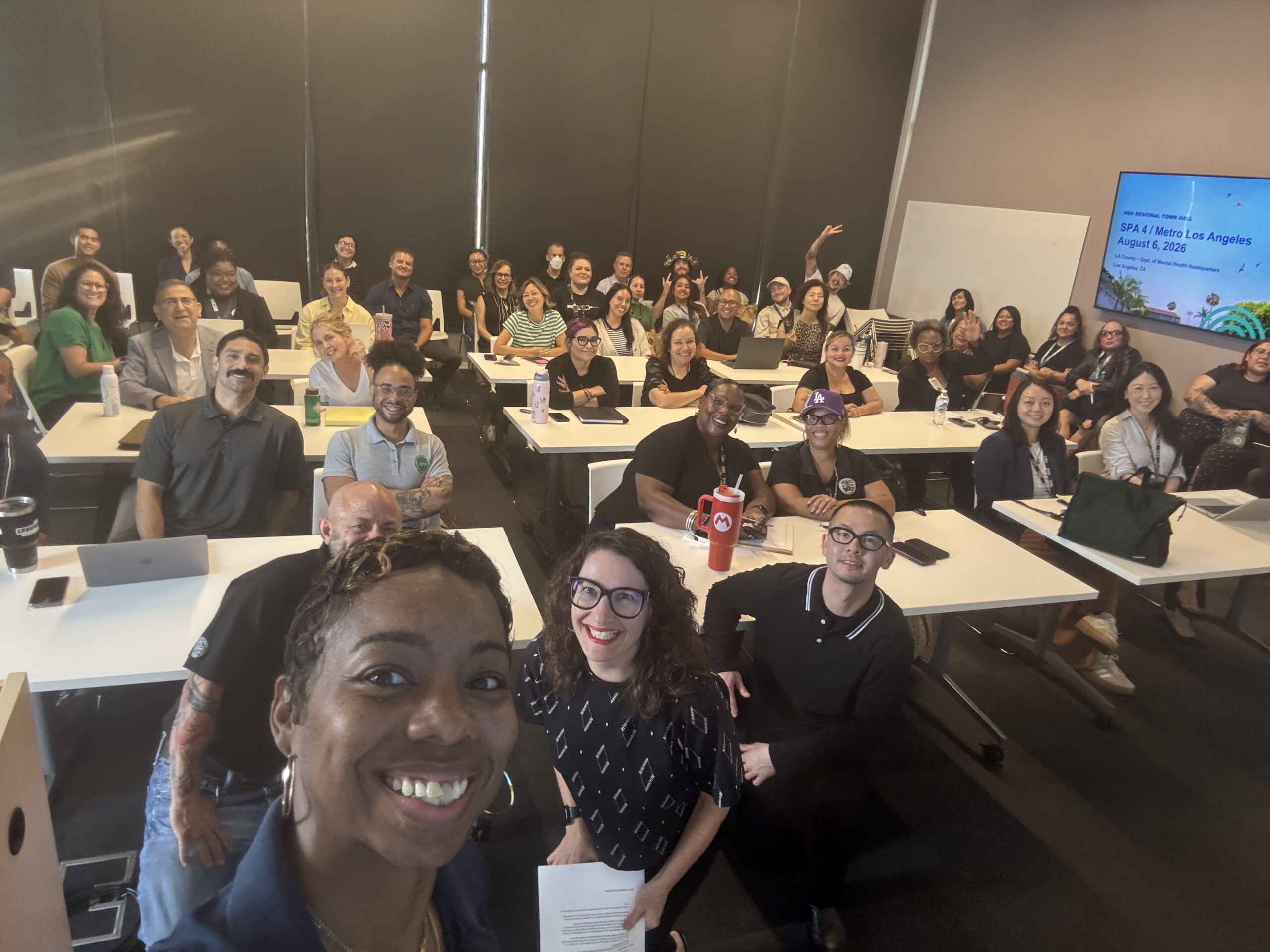
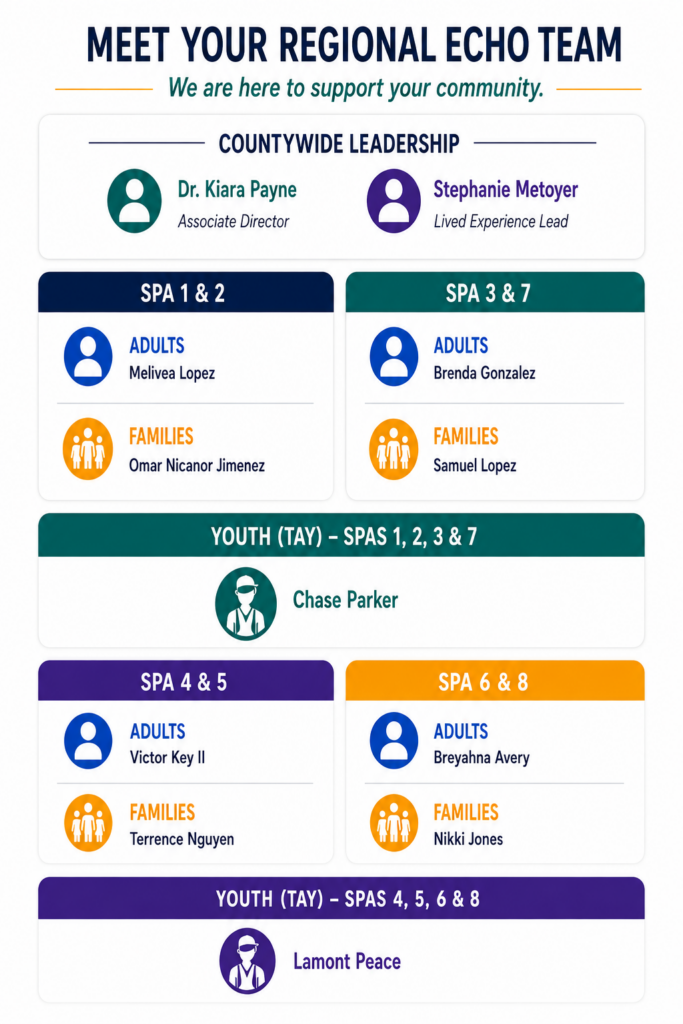
The System Coordination team, also known as the ECHO Team (Elevate + Connect + Hear + Operationalize) leads HSH’s collaboration with service providers, homeless coalitions, people with lived experience, communities, and regions.
Mainstream Systems
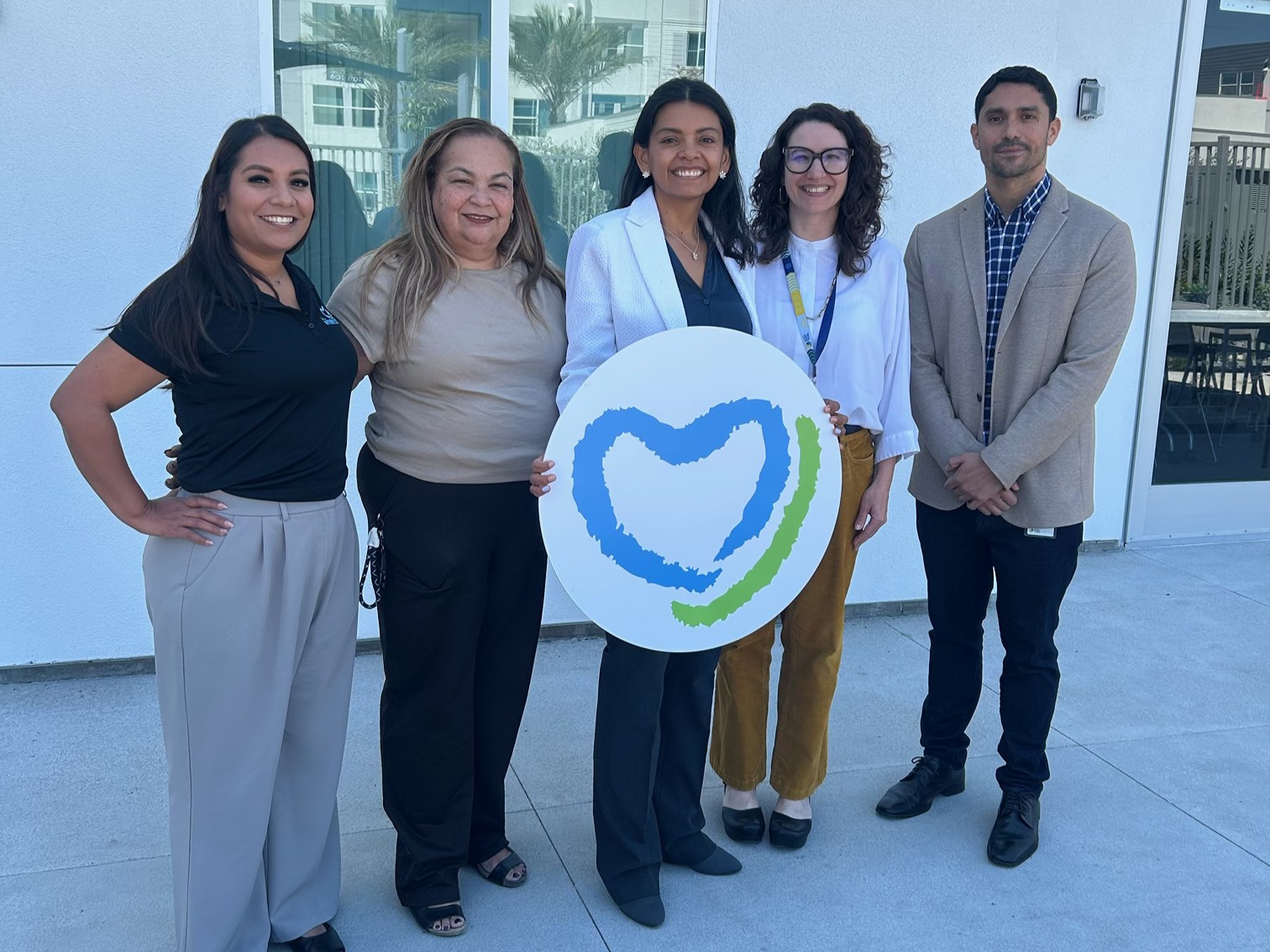
The Mainstream Services team leads HSH’s collaboration with County and system partners on public services, physical and behavioral health, families, veterans, and faith communities.
Opportunity, Justice, & Safety
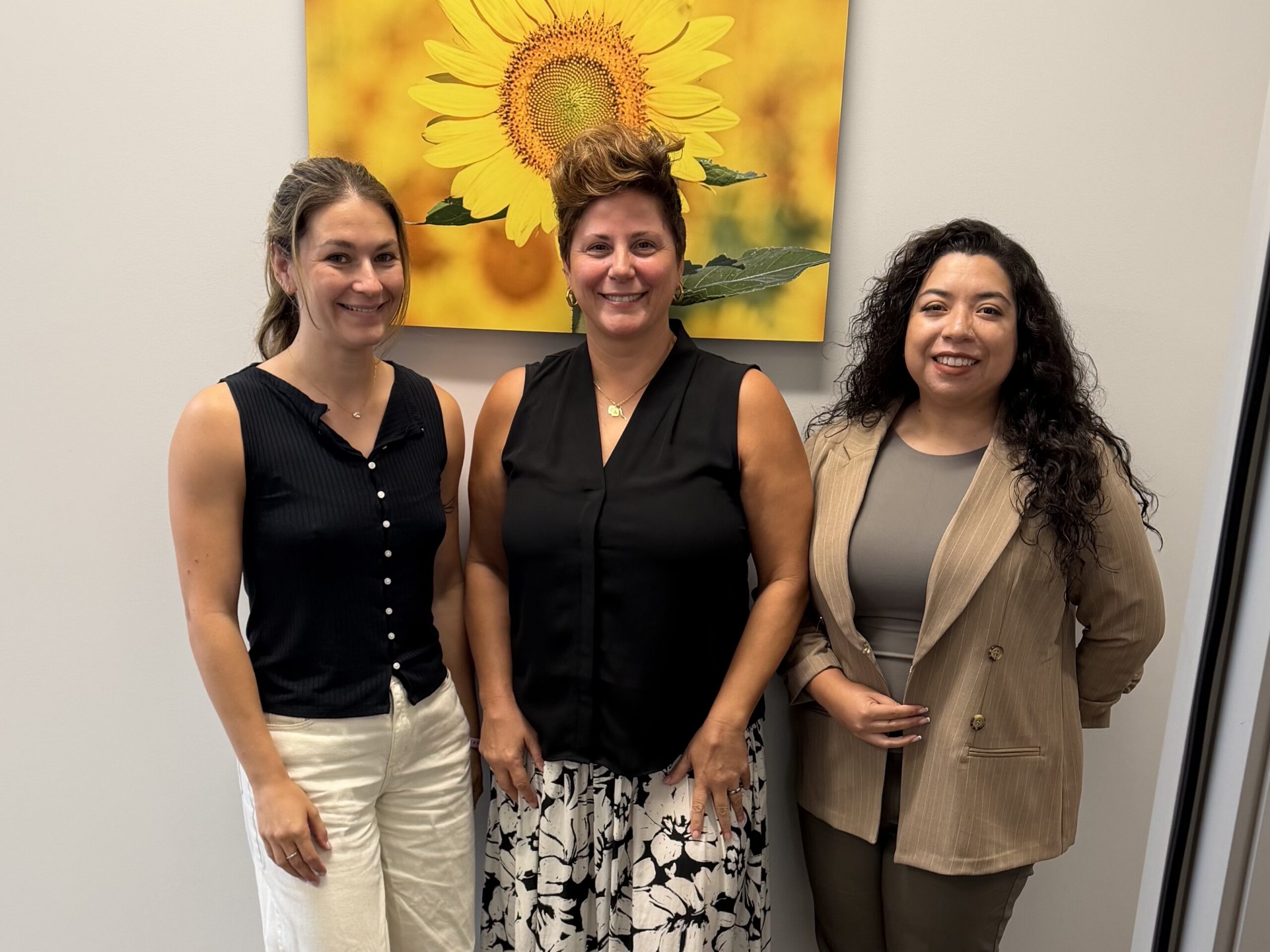
The Opportunity, Justice, and Safety team leads HSH’s collaboration with system partners on initiatives related to economic opportunity, criminal justice, gender-based violence, older adults, and people with disabilities.
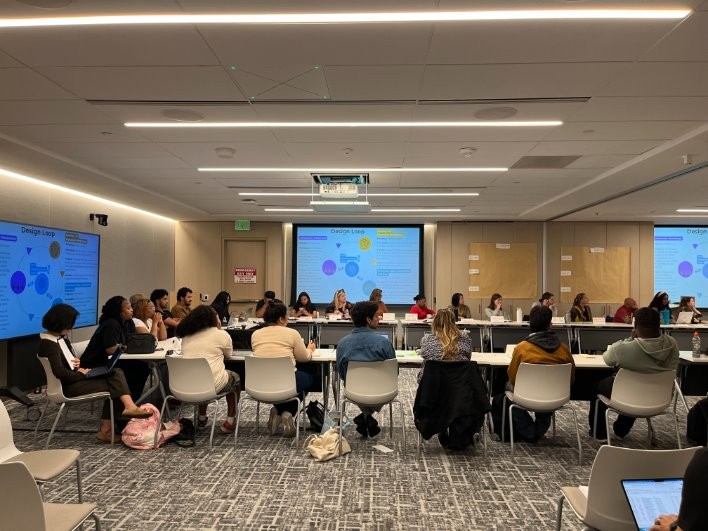
Youth Collaboration
The Youth Collaboration team leads HSH’s collaboration with County departments supporting young adults, including child welfare and criminal justice, and collaborates closely with youth providers and young adults with lived expertise.
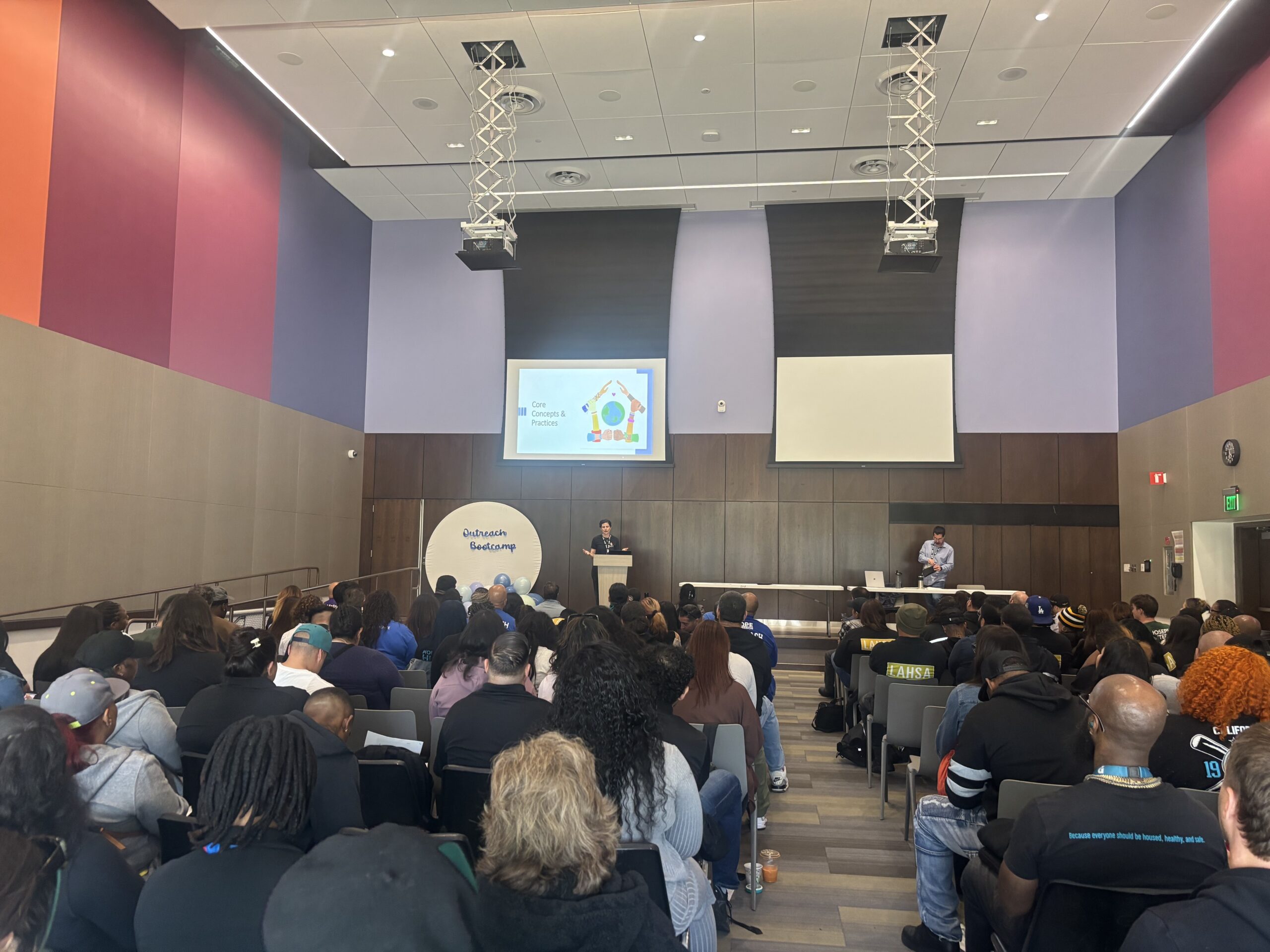
Training and Capacity-Building
The Training and Capacity-Building team works with HSH staff and contracted providers to support the homeless services system workforce, ensuring all partners have the tools to deliver high-quality housing and services. View the HSH Training Resource Page.
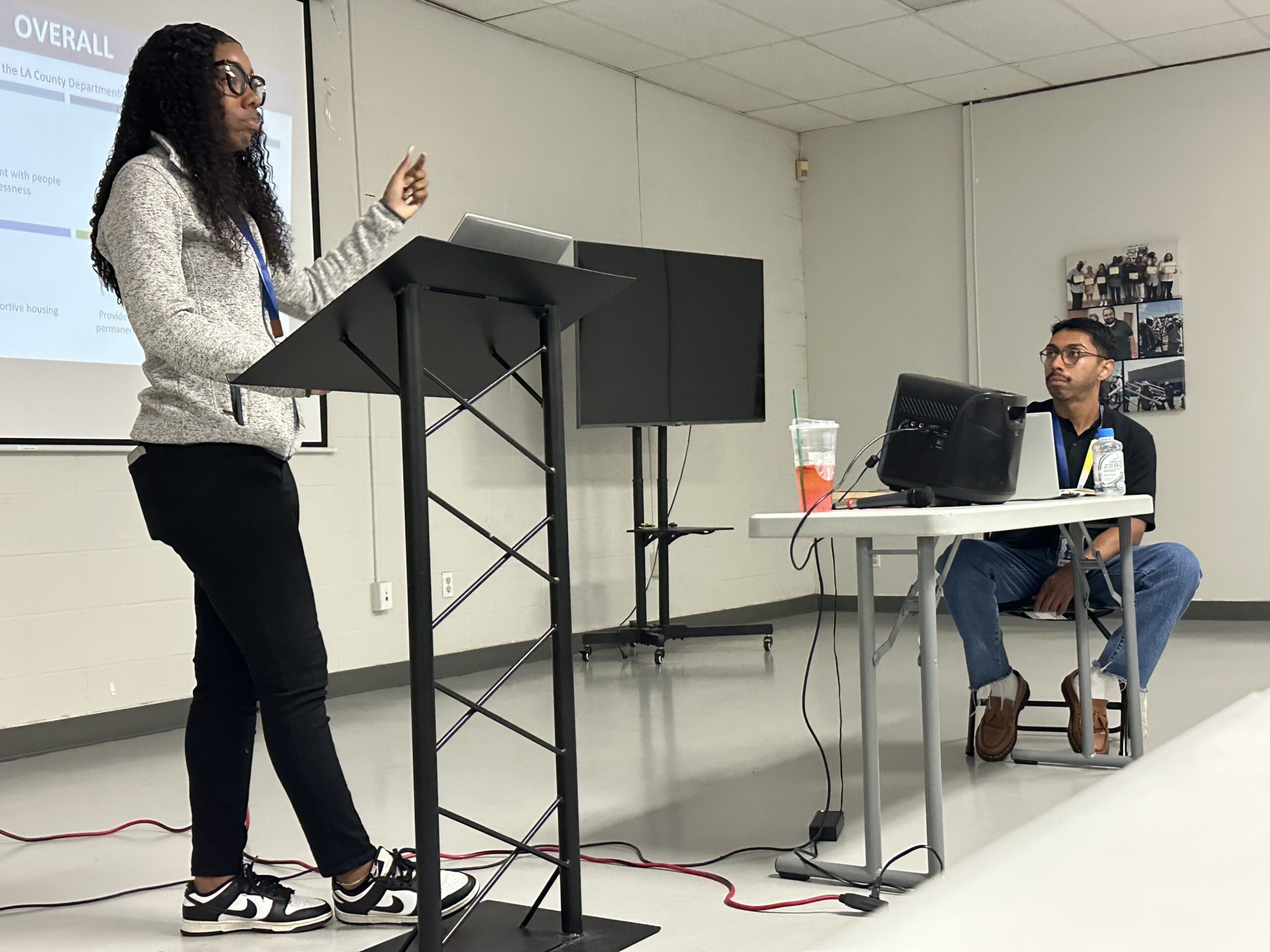
Incubation
The Incubation team supports community providers who want to contract with HSH to deliver housing and services to learn the nuts and bolts of becoming an HSH contracted provider.
Action Areas
HSH helps to address homelessness by coordinating across systems and providing unique strategies to meet the needs of subpopulations experiencing homelessness. Below is a list of System Coordination Action Areas, including subpopulations experiencing homelessness and key system intersections.
System Coordination: ECHO Team
The ECHO Team (Elevate • Connect • Hear • Operationalize) creates connections between HSH and LA County communities by:
- Strengthening regional partnerships;
- Elevating community voices;
- Facilitating collaboration across systems; and
- Transforming community feedback into meaningful action.
Through Regional Town Halls, coalition partnerships, and community engagement, the ECHO team works to ensure the voices of residents, providers, and people with lived experience help shape a more responsive and equitable homeless services system.
Community Events
The System Coordination team regularly hosts community meetings bring together residents, service providers, local jurisdictions, people with lived experience, and community partners to engage in meaningful dialogue about strengthening our local homelessness response system.
Prioritizing Lived Experience
HSH partners with people with lived experience of homelessness and recognizes our lived experience partners as co-creators of the most effective solutions to homelessness. We work hand-in-hand with people with lived experience to identify critically needed system improvements in the homeless response and then partner together to implement solutions.
HSH regularly hosts regional lived experience Town Halls where people with lived experience can join to share information and collaborate. In 2027 HSH will launch an annual lived experience summit and a Community Liaisons program to provide formal opportunities for people with lived experience to partner with HSH.

System Resource Maps
The HSH System Resource Maps are designed to help service providers, community partners, public agencies, and local governments better understand and navigate Los Angeles County’s homeless services system. Organized by population (single adults, families, and youth and young adults), the maps provide a clear overview of available resources, eligibility requirements, referral pathways, and housing and service options across the continuum of care.
By improving transparency and supporting informed referrals, the maps serve as a practical tool for strengthening coordination and connecting people to the resources that best meet their needs.
Please help us keep these maps up to date by using this form to share information about new resources or updating details about programs that are already on the maps.
Get in Touch
Do you have a question or comment for the System Coordination and Engagement team? Use this form to get in touch with a team member.